Tiny Garden War






A regular garden becomes a little battlefield in Tiny Garden War. Small places, yet lots to consider when enemies move across the map. Players must select where to put their defenders, when to improve them, and which garden areas need care first.
A Small Battlefield with Much to Manage
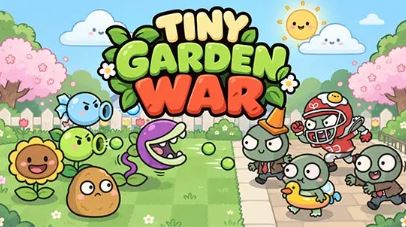
Every battle in the garden has its own issues. Some regions give attackers better positioning, while others give defenders less time to respond.
Players can disperse their defences over key battlefield areas instead of concentrating everything. A good setup can help manage later waves without transferring units.
Watch the Opponent Before Acting
Like powerful units, knowing what's coming is useful.
Protect Key Areas
The garden's most susceptible areas should not be accessible to enemies. You can have extra time to handle waves by placing defenders along their course.
Carefully Spend Resources
Not every unit needs to be upgraded immediately. Sometimes saving resources for a greater upgrade or difficult wave makes a bigger effect.
Adjust Your Setup
A battle defence that works early may not function later. Focusing on weaker regions and changing your tactics prevents garden overrun.
Controls
Mouse Controls
- Select units or interact with left click.
- When the Garden Gets Busy, use the mouse to navigate the battlefield and click/drag to place or move units.
- Press Esc to pause the game.
More foes mean less time to decide. When one group approaches your defences, you must watch several areas of the battlefield.
Minimal placement errors can generate openings. However, a timely upgrade or well-placed defence can change everything.
Alter Your Strategy
A losing battle doesn't mean the strategy was bad. A unit may need to be moved or preserved for later.
Tiny Garden War promotes experimentation. Players can learn which positions work, which upgrades to prioritise, and how to handle unexpected enemy waves.
Keep the Garden Standing
A tiny game, Tiny Garden War uses simple controls and tactical considerations. The battlefield may appear serene, but adversaries make every location crucial. Protect the garden, adjust to each wave, and dominate your miniature battleground. Looking for another game? Try one here: Garfield War























Discuss Tiny Garden War